Stunning Walk-In Shower Tile Ideas for an At-Home Oasis

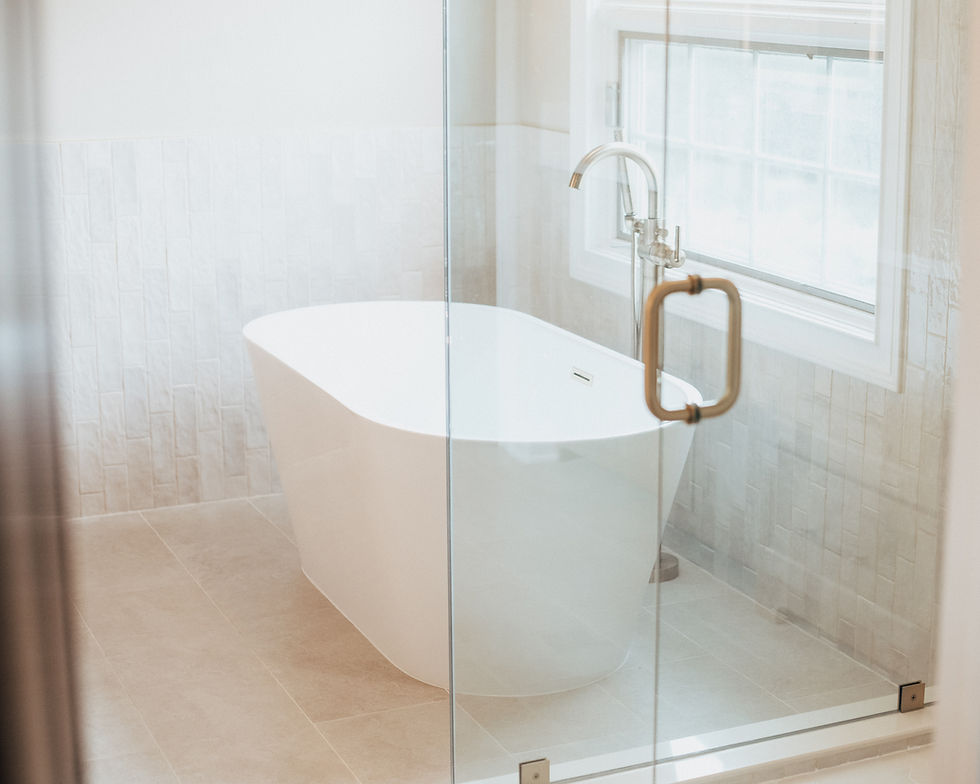
Most people spend more time thinking about the vanity than the shower when planning a bathroom remodel. Then they start looking at inspiration photos. Before long, they realize the shower is what defines the entire room.
We've seen it happen over and over. Homeowners come to us wanting a "new bathroom," but once we start talking through how they actually use the space, the conversation quickly shifts to the shower. They want something brighter, larger, easier to clean, and more relaxing than the builder-grade shower they've lived with for years.
The good news is there are countless ways to create that feeling. In this guide, we'll share some of our favorite walk-in shower tile ideas, explain what works (and why), and help you design a shower you'll love every day.
What Makes a Walk-In Shower So Popular?
A walk-in shower is a shower designed without a traditional tub enclosure, offering an open, accessible layout that can be customized with features like frameless glass, built-in benches, recessed niches, and decorative tile.
Walk-in showers have become one of the most sought-after bathroom remodeling features because they combine modern design with everyday functionality, making bathrooms feel larger, easier to maintain, and more luxurious.
Over the past several years, we've noticed that homeowners aren't simply replacing old showers—they're rethinking how they want to experience their bathrooms. A well-designed walk-in shower can completely change the feel of the space while making daily routines more comfortable.
A midrange bathroom remodel recoups approximately 74% of its cost at resale, making bathroom renovations one of the stronger long-term home improvement investments. Combined with timeless design and quality craftsmanship, a walk-in shower can improve both your daily life and your home's marketability.
Ultimately, the popularity of walk-in showers comes down to one simple idea: they make bathrooms work better. They offer more comfort, more flexibility, easier maintenance, and a level of customization that traditional shower designs simply can't match. When planned thoughtfully, a walk-in shower becomes the centerpiece of your entire bathroom.
12 Walk-In Shower Tile Ideas We Love
The best walk-in showers balance beautiful design with everyday practicality. While trends come and go, we've found that the most successful shower designs are built around timeless materials, thoughtful layouts, and quality craftsmanship. Here are 12 walk-in shower tile ideas that continue to stand out in 2026.
#1. Large-Format Porcelain Tile

Large-format porcelain tile remains one of our favorite choices for modern walk-in showers. With fewer grout lines, these oversized tiles create a clean, seamless appearance that instantly makes a bathroom feel larger and more open. They're available in countless colors and finishes, including realistic marble, limestone, and concrete looks, giving homeowners plenty of design flexibility.
Beyond aesthetics, porcelain is incredibly durable, highly water-resistant, and easy to maintain, making it an excellent choice for busy households. Large-format tile works especially well in contemporary, transitional, and minimalist bathrooms where clean lines are the focus.
#2. Marble-Look Porcelain

If you love the elegance of marble but not the upkeep, marble-look porcelain offers the best of both worlds. Modern manufacturing techniques have made porcelain remarkably convincing, capturing the veining and depth of natural marble while eliminating the need for regular sealing.
This style pairs beautifully with polished nickel, brushed brass, or matte black fixtures and creates a timeless, spa-inspired atmosphere. It's also one of the most versatile choices because it complements both traditional and modern bathroom designs without feeling overly trendy.
#3. Vertical Stacked Subway Tile

Subway tile has been popular for decades, but installing it vertically instead of the traditional horizontal brick pattern gives it a fresh, contemporary feel. Vertical lines naturally draw the eye upward, making ceilings appear taller and helping smaller bathrooms feel more spacious.
We've also found that stacked installations create a cleaner, more architectural appearance than offset patterns. Pairing vertically stacked subway tile with contrasting grout can add subtle visual interest without overwhelming the space.
#4. Warm Earth-Tone Tile

The all-white bathroom is giving way to softer, warmer color palettes. Beige, taupe, sand, clay, and warm gray tiles create a relaxing environment inspired by nature while adding depth and character to the room.
These tones pair beautifully with natural wood vanities, brushed brass fixtures, and soft lighting, creating a bathroom that feels inviting rather than sterile. Earth-tone tile also tends to age gracefully, making it a smart choice for homeowners looking for timeless design.
#5. Floor-to-Ceiling Tile

Extending tile all the way to the ceiling is one of the simplest ways to make a walk-in shower feel more luxurious. Continuous tile creates a cohesive look, draws the eye upward, and eliminates awkward transitions between tile and painted drywall.
This approach works especially well with large-format porcelain or marble-look tile, where fewer grout lines create an elegant, uninterrupted surface. Beyond aesthetics, tiling higher on the walls also provides additional moisture protection in humid bathrooms.
#6. Mosaic Shower Niches

A recessed shower niche is both practical and decorative. It's the perfect opportunity to introduce a complementary tile that adds personality without overwhelming the overall design.
Glass mosaics, geometric patterns, textured stone, or contrasting porcelain can create a beautiful focal point while providing convenient storage for shampoo, soap, and other essentials. We often recommend repeating the niche tile elsewhere in the bathroom to create a cohesive design.
#7. Herringbone Accent Walls

For homeowners looking to add movement and texture, a herringbone tile pattern makes an impressive statement. The angled layout naturally draws attention and creates visual depth, making it ideal for a shower's back wall or a feature section behind a freestanding tub.
Because the pattern is already visually interesting, we often recommend pairing it with simple surrounding tile to maintain balance throughout the bathroom.
#8. Pebble Shower Floors

Pebble tile continues to be a favorite for shower floors because it introduces texture and an organic, spa-inspired feel. The natural variation in the stones creates visual warmth while providing additional traction underfoot.
When professionally installed with proper drainage and sealing, pebble floors can become one of the most distinctive features in a bathroom. Pairing pebble flooring with smooth wall tile creates an appealing contrast between texture and simplicity.
#9. Concrete-Look Tile

Concrete-look porcelain offers an industrial-inspired aesthetic without the maintenance concerns of poured concrete. Soft gray tones, subtle texture, and clean lines make it an excellent choice for contemporary and minimalist bathrooms.
It pairs particularly well with floating vanities, black fixtures, frameless glass, and warm wood accents, creating a balanced design that's both modern and inviting. Porcelain also resists moisture and staining far better than actual concrete.
#10. Natural Stone

There's something undeniably beautiful about genuine natural stone. Marble, slate, limestone, and travertine each bring unique colors, textures, and veining that simply can't be duplicated.
Natural stone works exceptionally well in luxury bathrooms where authenticity and craftsmanship are priorities. However, homeowners should understand that stone typically requires periodic sealing and more specialized maintenance than porcelain. For those willing to care for it properly, natural stone creates a truly one-of-a-kind shower.
#11. Textured Tile
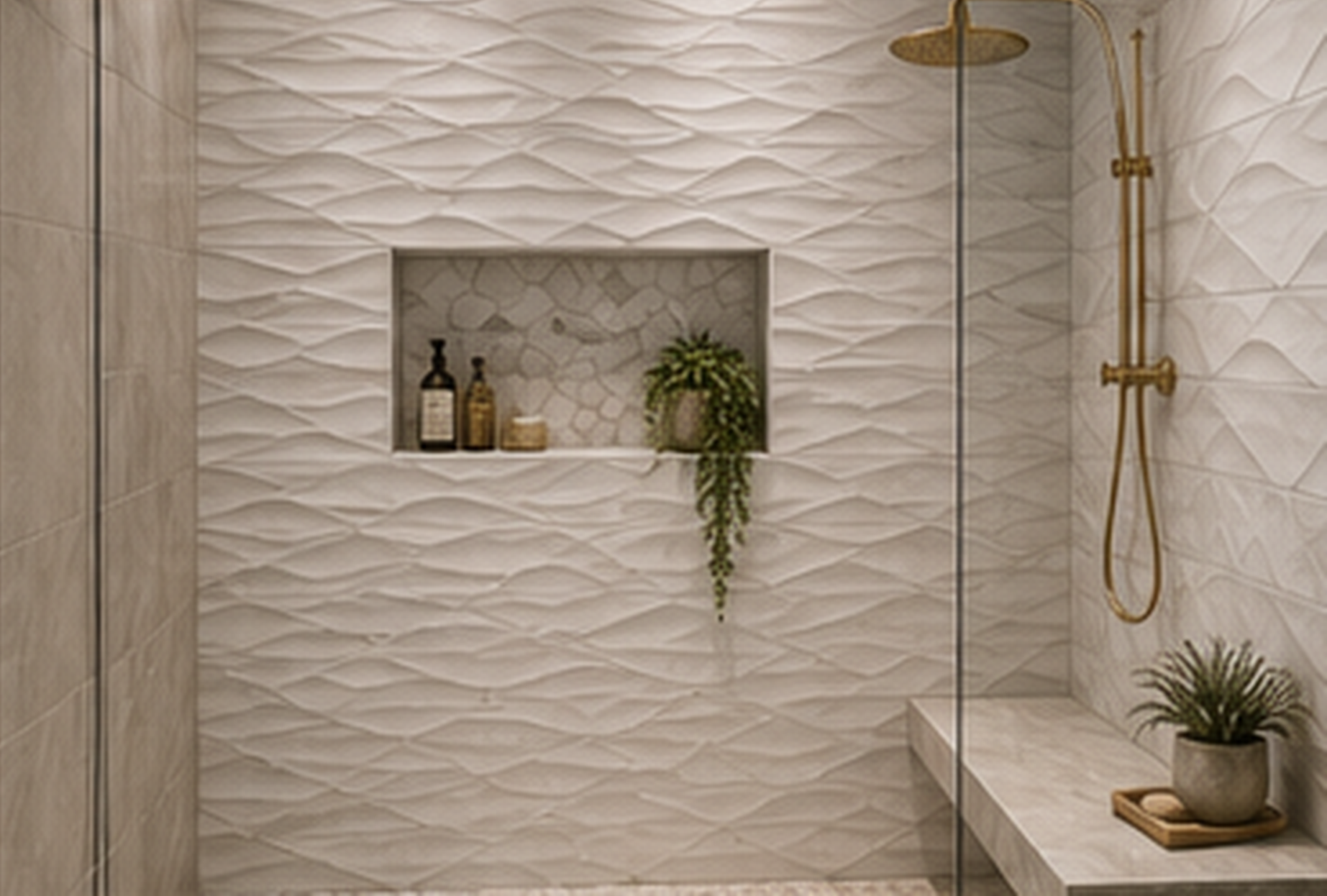
Texture is becoming just as important as color in modern bathroom design. Three-dimensional porcelain, fluted tile, ribbed surfaces, and handcrafted finishes add depth while creating subtle visual interest without relying on bold patterns.
Textured tile works especially well as an accent wall or within a shower niche, where natural light can highlight the material's dimensional qualities. Used thoughtfully, it creates a sophisticated, designer-inspired look that feels current without being overpowering.
#12. Mixed Materials

Some of the most memorable walk-in showers don't rely on a single tile style. Instead, they thoughtfully combine complementary materials to create depth and personality.
For example, large-format porcelain on the walls can be paired with mosaic flooring for better traction, while a herringbone accent wall or contrasting niche tile introduces visual interest. Mixing materials works best when the color palette remains consistent, allowing different textures and patterns to complement one another rather than compete. When balanced well, this layered approach creates a custom shower that feels both luxurious and uniquely your own.
Choosing the right tile is one of the biggest decisions you'll make during a bathroom remodel. It influences how your shower looks, how easy it is to maintain, and how well it performs for years to come.
We've found that homeowners often begin by saving inspiration photos, but the best tile isn't always the one that looks the most beautiful online. The right choice should fit your lifestyle, complement the rest of your bathroom, and stand up to daily use. Here are the factors we recommend considering before making your final selection.
Porcelain vs. Ceramic Tile
For most walk-in showers, we recommend porcelain tile over ceramic. Porcelain is denser, less porous, and more resistant to moisture, making it an excellent choice for wet environments. It also comes in a wide variety of colors, textures, and patterns, including convincing marble, stone, and wood-look finishes.
Ceramic tile is often more affordable and works well for bathroom walls, but it is generally less durable than porcelain. For shower floors and high-moisture areas, porcelain typically offers better long-term performance.
Natural Stone vs. Porcelain
Natural stone creates a beautiful, one-of-a-kind appearance that many homeowners love. Marble, slate, travertine, and limestone each have unique colors and veining that add warmth and character to a bathroom.
The tradeoff is maintenance.
Natural stone usually requires periodic sealing and more specialized cleaning products to protect its surface. Porcelain offers a similar high-end appearance with significantly less maintenance, which is why we've seen more homeowners choose marble-look porcelain over natural marble in recent years.
Both can create stunning showers—the best choice depends on whether you prioritize authenticity or ease of maintenance.
Large Tile vs. Small Tile
Tile size affects more than just the overall style of your bathroom. Large-format tiles create a clean, modern appearance with fewer grout lines, making the shower feel larger and reducing ongoing maintenance. They're especially popular for shower walls because they create a seamless, spa-like look.
Smaller tiles still have an important place in bathroom design. Mosaic tile works well for shower floors because the additional grout joints provide better traction underfoot. Small tiles are also ideal for niches, accent walls, benches, and decorative borders where you want to add texture or visual interest.
Many of our favorite walk-in showers combine both—large-format tile on the walls with smaller mosaic tile on the shower floor.
Matte vs. Polished Finishes
Finish is another decision that affects both aesthetics and functionality. Polished tile reflects more light, creating a brighter and more elegant appearance. It's a beautiful option for shower walls and accent features.
Matte tile has a softer, more natural appearance and typically provides better traction, making it a popular choice for shower floors. It also tends to hide water spots and fingerprints better than polished finishes, making it easier to maintain.
Don't Overlook Slip Resistance
Safety should always be part of the design conversation. Shower floors become slippery when wet, so choosing a tile with appropriate slip resistance is just as important as choosing one you love visually.
Textured porcelain, matte finishes, and mosaic floor tile all help improve traction while maintaining a sophisticated appearance. A beautiful shower should also be a comfortable and safe one to use every day.
Grout Color Matters More Than Most Homeowners Expect
Grout may seem like a small detail, but it has a surprisingly big impact on the finished design. Matching grout creates a more seamless appearance, allowing the tile itself to take center stage. Contrasting grout emphasizes the tile pattern and adds visual definition, which works especially well with subway tile and geometric layouts.
Grout color also affects maintenance. Lighter grout can brighten a shower but often requires more frequent cleaning, while medium gray tones tend to hide everyday dirt and discoloration better over time.
Think About Long-Term Maintenance
The most beautiful shower in the world won't stay that way if it's difficult to care for. Before choosing tile, consider how much maintenance you're comfortable with. Porcelain is one of the easiest materials to keep clean, while natural stone typically requires periodic sealing and specialized care. Larger tiles reduce the amount of grout you'll need to clean, and selecting quality materials from the beginning helps your shower maintain its appearance for years to come.
We've found that homeowners are happiest when they choose materials that fit both their design preferences and their lifestyle. A shower should look beautiful on day one—but it should also be easy to enjoy five, ten, and fifteen years down the road.
If you're still deciding what materials are right for your project, our Bathroom Remodeling Guide explores everything from layouts and budgeting to fixture selection and remodeling timelines, helping you make confident decisions before construction begins.
Shower Tile Ideas: Frequently Asked Questions
What tile is best for walk-in showers?
Porcelain tile is generally considered the best choice for walk-in showers because it is highly water-resistant, durable, and easy to maintain. It comes in a wide variety of colors, sizes, and styles—including realistic marble and natural stone looks—making it suitable for nearly any bathroom design. For shower floors, choose a porcelain tile with a textured or matte finish to improve slip resistance.
Are large tiles better?
Large-format tiles are often the best choice for shower walls because they create fewer grout lines, making the shower look larger and easier to clean. However, smaller mosaic tiles are typically recommended for shower floors because the additional grout joints provide better traction and conform more easily to the floor's slope for proper drainage. Many professionally designed showers combine both for the best balance of style and function.
What shower tile never goes out of style?
Marble-look porcelain, natural stone, and neutral large-format porcelain tiles are timeless choices that have remained popular for decades. Soft white, warm gray, beige, and greige tones continue to work with a wide variety of design styles, allowing homeowners to update fixtures and décor over time without replacing the tile.
Should shower floor tile match wall tile?
No, shower floor tile does not have to match the wall tile. In fact, many designers recommend using complementary tiles instead. Large-format tile is ideal for walls, while smaller mosaic or textured tile is often used on the floor to improve slip resistance. Choosing coordinating colors rather than identical materials creates visual interest while maintaining a cohesive design.
Is porcelain better than natural stone?
For most homeowners, porcelain is the more practical option. Porcelain is highly durable, water-resistant, easy to clean, and requires little maintenance. Natural stone offers unmatched character and beauty but typically needs periodic sealing and specialized care. If you want the look of marble or limestone without the upkeep, high-quality porcelain is an excellent alternative.
What size should a walk-in shower be?
A walk-in shower should typically be at least 36 by 36 inches, although 42 by 60 inches or larger provides a much more comfortable experience for most homeowners. Larger showers also allow room for features like built-in benches, recessed niches, multiple showerheads, and curbless entries. The ideal size ultimately depends on your bathroom layout and how you plan to use the space.
Are curbless showers worth it?
Yes, curbless showers are worth considering for many homeowners because they create a clean, open appearance while improving accessibility. Without a raised threshold, they are easier to enter, simpler to clean, and can make smaller bathrooms feel larger. When properly designed with the correct floor slope and waterproofing, curbless showers offer both aesthetic and practical benefits.
What color tile makes a shower look bigger?
Light-colored tile is the best choice for making a shower appear larger. White, soft gray, warm beige, and light greige reflect more light and create a brighter, more open feeling. Using the same tile on both the shower walls and bathroom floor—or extending tile from floor to ceiling—can also make the space feel larger by creating a continuous, uninterrupted visual flow.
If you're ready to transform your bathroom into your own at-home oasis, we'd love to help. Contact Elite Design & Renovation today to schedule a consultation and start planning a walk-in shower that's designed around your home, your lifestyle, and your vision.


Comments