Bathroom Remodeling: A Comprehensive Guide (2026)


One of my favorite parts of every bathroom remodel is watching a homeowner's vision come together. We've noticed that today's bathrooms aren't designed to simply look better—they're designed to work better. Homeowners want spaces that feel calm, organized, and easy to maintain while reflecting their personal style.
The biggest trend we've seen over the last few years is timeless design. Instead of chasing whatever is popular on social media, more homeowners are investing in materials and layouts they'll still appreciate 10 or 15 years from now. Here are some of our favorite bathroom remodeling ideas for 2026.
Bathroom remodel costs vary because no two bathrooms are built the same way. A small powder room with new finishes is a very different project than a full primary bathroom remodel with a walk-in shower, custom tile, new plumbing, heated flooring, and upgraded ventilation.
In our experience, the biggest pricing mistake homeowners make is comparing bathroom remodels by size alone. Square footage matters, but it is not the only driver. Layout changes, plumbing, waterproofing, tile labor, cabinetry, lighting, ventilation, and finish selections all affect the final investment.
For a professionally remodeled bathroom in 2026, homeowners should expect costs to fall into a few general categories.
A surface-level bathroom refresh may include new paint, updated lighting, a new mirror, a replacement vanity, new fixtures, and limited cosmetic updates. This is usually best for a powder room, guest bath, or newer bathroom where the layout and plumbing already work well.
Mid-Range Bathroom Remodel | $25,000-$50,000
A mid-range bathroom remodel typically includes a new vanity, updated flooring, new tile, upgraded plumbing fixtures, lighting improvements, fresh paint, and improved storage. This level of remodel is common for hall bathrooms, guest bathrooms, and older bathrooms that need more than cosmetic updates but do not require major layout changes.
Full Bathroom Renovation | $40,000-$70,000+
A full bathroom renovation usually involves removing the existing materials and rebuilding the space with new tile, cabinetry, plumbing fixtures, lighting, ventilation, waterproofing, and finish selections. This is the level of remodel many homeowners choose when the bathroom feels outdated, inefficient, or poorly built.
High-End Primary Bathroom Remodel | $60,000-$100,000+
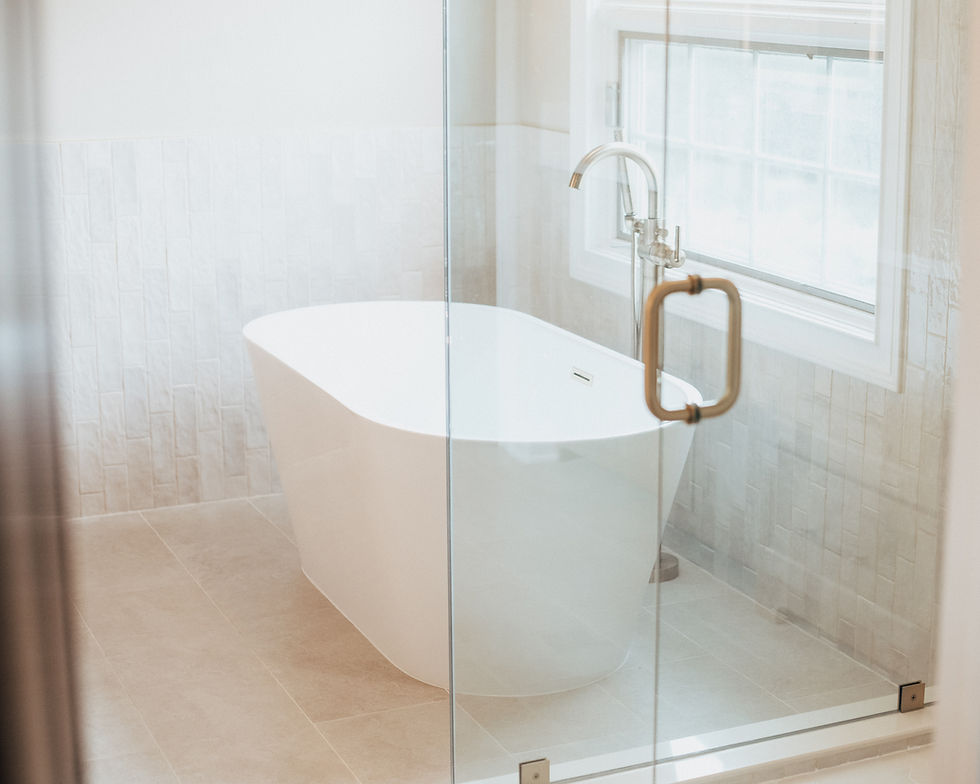
A high-end primary bathroom remodel often includes a larger walk-in shower, custom tile work, a double vanity, heated flooring, upgraded lighting, premium fixtures, improved storage, and sometimes a freestanding tub. These projects require more planning, more material coordination, and more precision because the details matter at every stage.
What Impacts Bathroom Remodel Costs the Most?
When homeowners ask what makes one bathroom remodel cost more than another, I usually point to the same few categories.
#1: Plumbing Changes
Moving a toilet, shower, tub, or vanity usually increases cost because plumbing lines need to be relocated. This can also affect flooring, framing, inspections, and the construction timeline. Keeping the layout in place is one of the simplest ways to control cost. But if the current layout does not function well, a smart layout change may be worth the investment.
Tile is one of the biggest visual features in a bathroom, but it is also one of the most labor-intensive parts of the project. Large-format tile, custom shower niches, patterned floor tile, shower benches, and full-height wall tile can all create a beautiful result. They also require careful planning, waterproofing, leveling, and installation.
#3: Waterproofing
Bathrooms are high-moisture spaces. That means the work behind the tile matters just as much as the finished look. Proper waterproofing protects the structure of the home and helps prevent mold, leaks, and future repairs. We have seen too many bathrooms that looked fine at first but failed because the prep work was rushed or done incorrectly.
#3: Ventilation
Ventilation is often overlooked, but it has a major impact on bathroom performance. A properly sized exhaust fan helps manage humidity, protect finishes, reduce mildew, and improve air quality. In older homes, ventilation upgrades are often part of making the space function the way it should.
#5: Cabinetry and Storage
A bathroom should look good, but it also needs to work. Vanities, linen storage, medicine cabinets, recessed niches, and built-ins all affect both cost and usability. We have noticed more homeowners asking for storage that feels integrated rather than added later. They want outlets hidden inside drawers, better organization, and fewer products sitting on the counter.
#6: Fixtures and Finishes
Faucets, shower systems, tubs, toilets, lighting, mirrors, hardware, and countertops all influence the final cost. This is where homeowners have the most flexibility. You can choose practical, durable finishes that still look refined, or you can invest in premium fixtures that make the bathroom feel more custom.
Bathroom Remodeling Statistics Homeowners Should Know

Bathroom remodeling continues to be one of the most popular home improvement projects because it improves both everyday living and long-term home value. While every remodel is different, recent industry research shows homeowners continue to invest in better functionality, higher-quality materials, and spaces designed to last. Here are a few statistics that stood out to us:
A midrange bathroom remodel recoups approximately 74% of its cost at resale, according to the 2025 Cost vs. Value Report. While resale value shouldn't be the only reason to remodel, it's encouraging to know that buyers continue to place a premium on updated, well-designed bathrooms.
Sixty-one percent of homeowners upgraded plumbing, ventilation, or other building systems instead of changing the layout, showing that many homeowners prioritize long-term performance over dramatic structural changes.
Thirty-nine percent of homeowners enlarged their shower during a bathroom renovation, making it one of the most common upgrades in modern bathroom remodels.
According to the 2025 NARI Remodeling Impact Report, 28% of homeowners say improved functionality and livability is the biggest benefit of remodeling, while 64% report a greater desire to spend time at home after completing their project.
We've noticed those same priorities in our own projects. Homeowners aren't simply asking for a bathroom that looks newer—they're investing in spaces that function better every day. Better storage, larger showers, improved lighting, durable materials, and thoughtful layouts consistently rank higher than short-lived design trends.
A successful bathroom remodel should improve how your home works today while continuing to serve your family well for years to come.
Planning Tips for a Successful Bathroom Remodel
The best bathroom remodels don't begin with demolition—they begin with planning. We've found that homeowners who spend more time making decisions before construction starts experience fewer surprises, fewer delays, and a much smoother remodeling process.
Tip #1: Define Your Priorities First
Before choosing tile or fixtures, ask yourself what isn't working about your current bathroom. Maybe you need more storage. Maybe the shower feels cramped. Maybe poor lighting makes getting ready frustrating. Or perhaps you're planning to age in place and want a bathroom that's easier to navigate for years to come. Starting with function helps every design decision that follows.
Tip #2: Establish a Realistic Budget
It's tempting to begin selecting finishes before discussing budget, but we've learned the opposite approach works much better. Understanding your investment range early allows your remodeler to recommend layouts, materials, and features that fit your goals without constant redesigns.
Tip #3: Think Beyond Today's Trends
Design trends come and go, but a bathroom remodel should last for decades. We encourage homeowners to invest in quality construction, timeless materials, and durable fixtures first. Decorative elements like mirrors, paint, and hardware are much easier to update over time than tile layouts or plumbing locations.
Tip #4: Plan for Storage
One of the most common comments we hear after completing a remodel is, "I wish we had done this years ago." Much of that comes down to storage. Built-in niches, deeper vanity drawers, linen cabinets, and hidden outlets create a bathroom that feels cleaner, calmer, and easier to use every day.
Design and construction should work together—not separately. Our design-build process allows us to identify potential challenges before construction begins. That means better budgeting, fewer surprises, and a finished bathroom that matches the original vision.
Common Bathroom Remodeling Mistakes I’ve Seen Homeowners Make

Bathroom remodels are full of decisions. Some feel small in the moment but have a big impact later.
Choosing Looks Over Function
A beautiful bathroom that does not work well gets frustrating fast. Storage, lighting, ventilation, shower size, outlet placement, and clearances all matter. The goal is not just to create a bathroom that photographs well. The goal is to create a bathroom that supports daily life.
Underestimating Waterproofing
A bathroom is not like a bedroom or living room. Water changes everything. We have seen bathrooms fail because waterproofing was treated as an afterthought. That is one of the reasons professional installation matters so much in showers, wet areas, and tile-heavy spaces.
Forgetting About Ventilation
Poor ventilation can shorten the life of paint, cabinetry, grout, mirrors, and other finishes. It can also create long-term moisture issues. If the bathroom feels damp long after a shower, the ventilation system needs attention.
Buying Materials Too Early
It is easy to fall in love with tile or fixtures before the full plan is finalized. But selections need to work with the layout, plumbing, dimensions, and installation requirements. A design plan helps prevent expensive returns, mismatched finishes, and awkward last-minute compromises.
Hiring Based on the Lowest Bid
A bathroom remodel involves plumbing, electrical, waterproofing, ventilation, tile, carpentry, and finish work. If a quote seems dramatically lower than others, something may be missing. We always encourage homeowners to compare scope, materials, labor, process, and warranty—not just the final number.
Questions to Ask Before Choosing a Bathroom Remodeling Contractor
Hiring the right remodeling contractor is one of the biggest decisions you'll make during your project. Price matters, but experience, communication, craftsmanship, and planning often matter even more. Here are a few questions we recommend asking before hiring anyone.
Do You Handle Design and Construction?
Working with one team from concept through completion often creates a smoother experience than coordinating multiple companies.
Ask whether design services, material selections, and construction are all managed together.
Who Will Actually Be Working in My Home?
Many remodeling companies rely almost entirely on subcontractors. At Elite Design & Renovation, we've built long-term relationships with our in-house crews because consistency leads to better craftsmanship and better communication.
Knowing who is performing the work helps build confidence throughout the project.
How Do You Handle Communication?
Bathroom remodels involve dozens of decisions. Ask how often you'll receive updates, who your primary point of contact will be, and how questions are handled during construction.
Good communication eliminates uncertainty.
How Do You Protect My Home?
Construction can be disruptive, but it doesn't have to feel chaotic. Ask about dust protection, floor protection, cleanup procedures, scheduling, and how the crew minimizes disruption to your daily routine.
What Does Your Process Look Like?
Every remodeling company has a different process. A clearly defined process—from consultation and design through construction and final walkthrough—helps everyone understand what happens next and reduces unnecessary stress.
Bathroom Remodeling: Frequently Asked Questions
How much should I budget for a bathroom remodel in 2026?
Every project is different, but your investment depends on the bathroom's size, the scope of work, material selections, plumbing modifications, and custom features. A professional consultation is the best way to receive an accurate estimate based on your goals.
Is it worth moving plumbing during a bathroom remodel?
Sometimes. If relocating fixtures dramatically improves how the bathroom functions, the additional investment can be worthwhile. If your existing layout already works well, keeping plumbing in place is often more cost-effective.
What's the biggest mistake homeowners make during a bathroom remodel?
We've found that many homeowners focus on finishes before thinking about layout and functionality. Beautiful materials can't fix an inefficient floor plan. Start with how the room needs to work, then build the design around that.
How long should a professionally remodeled bathroom last?
A professionally designed and properly installed bathroom should serve your family for decades. Choosing durable materials, quality waterproofing, and proper ventilation helps maximize the lifespan of your investment.
Is a curbless shower worth it?
For many homeowners, yes. Curbless showers create a clean, open appearance while improving accessibility. They also make bathrooms feel larger and can support aging-in-place planning.
Should I replace my bathtub with a walk-in shower?
It depends on how you use the space. Many homeowners choose larger walk-in showers for their primary bathroom while keeping a bathtub elsewhere in the home for children, guests, or resale flexibility.
What bathroom features add the most value?
Updated showers, quality tile work, custom storage, improved lighting, durable surfaces, and thoughtful layouts consistently provide lasting value because they improve both everyday living and buyer appeal.
How do I know if my bathroom has hidden water damage?
Soft flooring, loose tile, peeling paint, persistent odors, staining, or recurring mold may indicate moisture issues behind finished surfaces. A professional inspection during remodeling can uncover problems before they become larger repairs.
Can I stay in my home during a bathroom remodel?
In most cases, yes. If you have another functioning bathroom, it's usually possible to remain in your home while construction is underway. Your remodeling team should explain scheduling and ways to minimize disruption.
Why should I hire a design-build remodeling company?
Design-build keeps planning, selections, budgeting, and construction aligned from the beginning. Instead of coordinating multiple companies, you'll work with one team that guides your project from concept through completion.

If you're considering a bathroom remodel in Central Ohio, we'd love to hear about your goals. Contact Elite Design & Renovation today to schedule a consultation and start designing a bathroom that's built around the way you live.


Really helpful bathroom remodeling guide, especially the point about focusing on functionality before choosing finishes. Planning for proper waterproofing, ventilation, storage, and layout can make a big difference in the long-term result. Homeowners looking for more bathroom renovation ideas can also check out https://bathroomrenovationsarasota.com/