Home Renovation Costs: The Complete 2026 Guide


One website says your home renovation should cost $50,000. Another says $150,000. Then a calculator spits out a suspiciously precise number without knowing what’s hiding behind your walls.
The problem with researching home renovation costs is most guides toss numbers at you without assessing all the factors. Not here. This guide breaks down what drives cost, realistic project ranges, hidden expenses, and how to build an accurate budget for your renovation.
How Much Does a Home Renovation Cost?
For a high-quality home renovation in Central Ohio, costs fall between $175,000–$400,000+, depending on the home’s size, age, systems, structural changes, and level of customization.
That range includes projects like kitchen remodels, bathroom remodels, basement remodels, or combinations of several spaces within a larger whole-home renovation.
Projects that rework multiple rooms, update plumbing or electrical, alter layouts, include additions, or add custom finishes tend to land toward the higher end of the range. Older homes also require more behind-the-walls work, adding labor, coordination, and cost.
8 Factors That Drive Home Renovation Costs
#1: Project Scope and Size
Updating finishes is one thing. Moving walls, relocating plumbing, opening rooms, and rebuilding entire spaces is another beast. The more your renovation changes how the home functions, the more design, labor, materials, and coordination it requires.
#2: Home Age and Existing Conditions
Older Central Ohio homes need more than cosmetic updates. Aging electrical systems, outdated plumbing, uneven framing, older insulation, and layers of previous renovations all add work behind the finishes.
#3: Structural Changes
Removing walls, enlarging openings, changing rooflines, or adding square footage requires engineering, framing, and additional permitting. Those changes create dramatic results, but they also move the project into a different budget category.
#4: Plumbing, Electrical, and HVAC
Moving a kitchen sink across the room isn’t just moving a sink. Plumbing, electrical capacity, lighting, HVAC, and appliance requirements all live behind the finishes, and upgrading or relocating those systems adds cost.
#5: Material Selections
Cabinetry, countertops, flooring, tile, fixtures, appliances, windows, and millwork come in enormous price ranges. Good design helps you decide where spending more will actually improve quality, durability, and impact.
#6: Labor and Craftsmanship
Detailed tile, custom cabinetry, specialty trim, and complex installations require skilled hands. Quality labor may cost more upfront, but poor workmanship leads to repairs, rework, and added costs later.
#7: Permits and Engineering
Structural, electrical, plumbing, and mechanical work require permits, inspections, drawings, and engineering. They aren’t glamorous expenses, but neither is discovering your renovation doesn’t meet code.
#8: Unexpected Repairs
Water damage. Rot. Ancient wiring. A slightly sloping floor. Not every issue can be spotted before demolition, which is why a healthy contingency belongs in the budget from day one.
Home Renovation Costs by Project Type
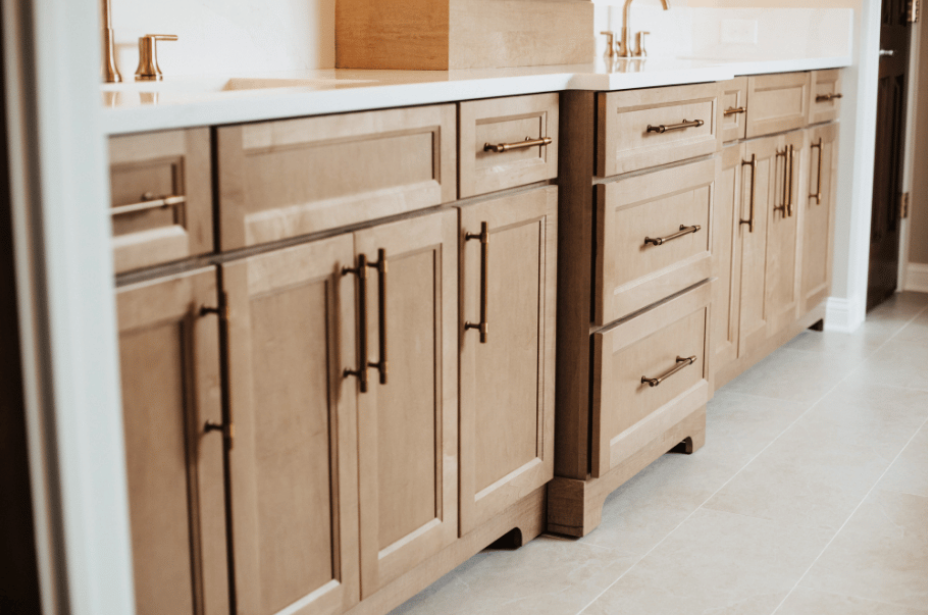
National averages are useful for ballpark planning, but location, scope, materials, and existing conditions move projects far above or below them.
Kitchen Remodel Costs
In Central Ohio, most kitchen renovation costs land between $75,000 and $150,000, depending on layout changes, structural work, cabinetry, appliances, and system upgrades.
Smaller kitchen remodels typically run $75,000–$90,000, medium projects fall around $90,000–$120,000, and large or full-gut renovations reach $120,000–$150,000+.
Bathroom Remodel Costs
A lighter bathroom remodel falls around $15,000–$25,000, mid-range remodels land between $25,000–$50,000, and full-gut renovations reach $40,000–$70,000+. Luxury or spa-style bathrooms climb to $60,000–$100,000+.
Moving plumbing, expanding showers, custom tile, upgraded ventilation, premium fixtures, and structural changes all push costs higher.
Basement Remodel Costs
A high-quality finished basement remodel falls around $50,000–$150,000+, depending on the size and how much function you’re adding.
A simpler finished basement falls closer to $50,000–$75,000, while projects with bathrooms, wet bars, bedrooms, egress windows, built-ins, theaters, gyms, or major mechanical work move into the $100,000–$150,000+ range.
Home Additions and Whole-Home Renovations
Home additions in Central Ohio start around $150,000 and reach $350,000+, while whole-home renovations may fall around $175,000–$400,000+ depending on the home and scope.
Foundations, structural changes, kitchens, bathrooms, mechanical systems, custom millwork, and premium finishes push project costs higher.
Hidden Home Renovation Costs Homeowners Overlook
The countertops get attention. The dumpster rental rarely does. A complete budget includes design, engineering, permits, demolition, disposal, temporary housing, storage, painting, utility upgrades, HVAC adjustments, flooring transitions, and repairs uncovered during construction.
Then there’s contingency. Giving your budget breathing room before demolition is much more pleasant than trying to create that room afterward.
How to Build a Renovation Budget That Actually Works
A realistic renovation budget starts with knowing what matters most, where your money will make the biggest impact, and where to leave yourself some breathing room.
Separate Needs From Wants
Start with what the renovation has to fix. Then rank what you’d love to add, so if the budget needs to shift, you already know which decisions matter most.
Invest Where You Live
If everyone gathers in the kitchen, invest there. If two people fight over one tiny bathroom every morning, solve that. The highest-impact spaces are the ones that improve everyday life.
Choose Materials Strategically
Spending more everywhere doesn’t create better design. Put money into materials where durability, craftsmanship, or visual impact matter, and pull back where the difference won’t earn its keep.
Plan for Contingencies
Drywall has a remarkable talent for keeping secrets. Older homes and complex renovations deserve enough contingency to handle conditions no one could reasonably foresee before construction.
Think Long-Term
Consider durability, maintenance, energy efficiency, accessibility, and how your family may use the home years from now. A well-planned renovation should keep working long after the new-project shine wears off.
Is Renovating Your Home Better Than Moving?
Sometimes you don’t need another house. You need your current house to stop driving you crazy. If you love your neighborhood, lot, school district, or mortgage, renovating preserves what already works while fixing what doesn’t.
Compare renovation costs against selling, moving, financing another home, and the likelihood that the next house will still need changes of its own before you make your decision.
2026 Renovation Trends Affecting Costs
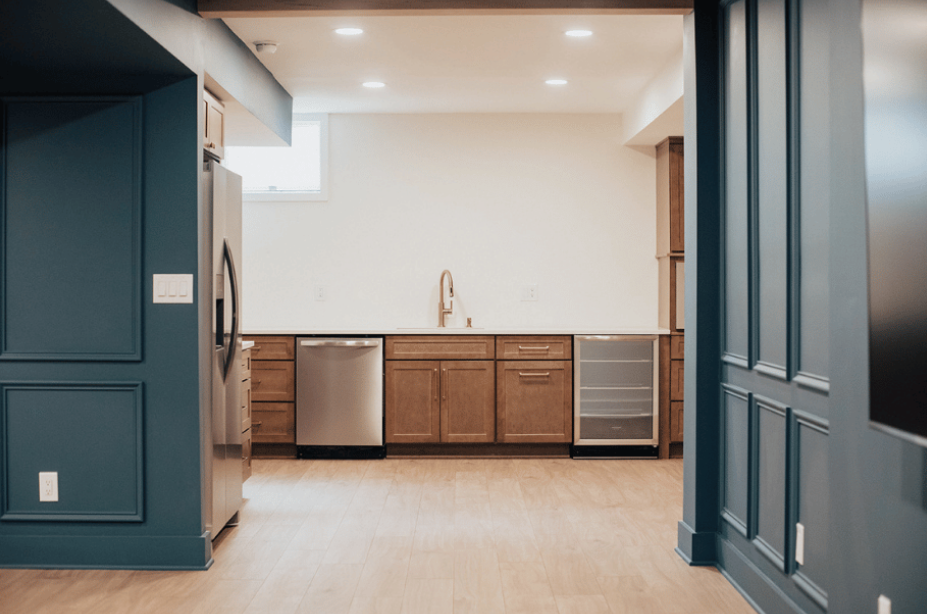
Homeowners are asking spaces to work harder in 2026. Larger kitchens with better storage, spa-style bathrooms, home offices, smart technology, energy-efficiency upgrades, aging-in-place features, and multigenerational layouts all increase scope.
NAHB reports 73% of industry leaders have seen increased requests for aging-in-place features over the past five years, making accessibility a growing part of renovation planning too.
6 Renovation Budget Mistakes That Will Cost You
These are the mistakes that create the most unnecessary cost, rework, and frustration.
#1: Choosing Based On Price Alone
The lowest estimate might simply include less. Compare scope, materials, craftsmanship, project management, and exclusions before deciding which proposal offers the best value.
#2: Changing Plans During Construction
“One little change” are famous last words. Moving something after framing, plumbing, electrical work, or materials are ordered ripples through several trades and tears through budgets.
#3: Skipping Design
Making decisions as construction unfolds creates mismatched choices, delays, and expensive changes. Plan the room before you build the room.
#4: Ignoring Contingencies
If every dollar is committed before demolition, the first hidden problem becomes a crisis. Build room for those unexpected moments in the budget.
#5: Buying Materials Before Planning
That clearance vanity isn’t a deal if it blocks the door or doesn’t work with the plumbing. Plan first, shop second.
#6: Choosing Trendy Over Timeless
Trends bring personality, but expensive permanent choices need staying power. Consider easier-to-change finishes so your space can evolve with you.
3 Home Renovation Statistics Every Homeowner Should Know
The strongest projects create value financially and make the home work better every day.
Americans spent an estimated $603 billion on remodeling projects in 2024, according to NAR.
NAR estimates complete kitchen renovations can recover around 60% of their cost at resale.
NAHB reports 73% of industry leaders have seen growing demand for aging-in-place features.
Why Design-Build Protects Your Renovation Budget
Design decisions and construction costs are attached at the hip. Treating them like strangers is how beautiful ideas wander outside the budget.
A design-build process keeps planning, pricing, selections, and construction connected, so expensive changes are caught earlier and decisions stay grounded in the budget.
Elite Design & Renovation uses a design-build process that protects your investment while keeping the finished renovation aligned with the design, function, and quality you wanted from the start.
Home Renovation Costs: Frequently Asked Questions
How much should I budget for a home renovation?
For a home renovation in Central Ohio, plan on roughly $175,000–$400,000+. The final cost depends on the home’s size and age, the extent of structural changes, plumbing and electrical updates, material selections, custom features, and how much contingency the project requires.
How much does it cost to renovate an entire house?
Whole-home renovations in Central Ohio fall around $175,000–$400,000+, with larger, older, or highly customized homes potentially exceeding that range. Structural changes, system upgrades, custom millwork, and premium finishes all push costs higher.
What adds the most value during a renovation?
Improvements that increase function, condition, energy efficiency, and usable living space tend to add strong value. Kitchens, bathrooms, basements, flooring, windows, and exterior upgrades are common examples.
Is it cheaper to renovate a house or build a new one?
It depends. Compare renovation costs with selling, moving, financing, and any renovations the next home may still need before deciding.
How much should I set aside for unexpected costs?
Plan to set aside about 10%–20% of your renovation budget for unexpected costs. Newer homes and well-defined projects may need less, while older homes or renovations involving structural changes and major system updates may warrant a larger cushion.

Home renovation costs become much easier to understand when you stop focusing on ballparks and averages and start planning around your house instead. Elite Design & Renovation connects design, scope, budget, and construction to give you the home of your dreams. Book your consultation today.
Comments